The Evolution of Marketing: 6 Trends That Will Change the Game in 2024

Nearly three years after the first lockdowns, we are still uncovering major shifts in society — and the way consumers respond to marketing strategies is no exception. In 2024, the collective desire for connection has not disappeared. Despite initial hesitation, many have embraced the paradigm-shifting opportunities offered by the digital community.
As a business owner, you’re likely wondering how to best approach your marketing strategy with the future in mind. To anticipate which marketing strategies will work in 2024, we spoke with industry experts about the trends you should adopt to stay ahead of the curve:
What are marketing trends?
Marketing trends are the latest strategies, tactics, and emerging technologies used to attract and engage consumers. They evolve alongside technological progress, changing customer preferences, and the emergence of new competitors. Staying up to date with these developments is essential if you want to remain competitive and achieve your marketing goals.
Marketing Trends to Adopt in 2024
- Interactive Content Marketing
- AI-Powered Marketing
- Livestreaming
- Long-Term Influencer Partnerships
- User-Centric Promotion (Not Just Product-Centric)
- Media Marketing
- “Trendjacking” — Leveraging Viral Trends for Your Own Advantage
01. Interactive Content Marketing
As governments tighten GDPR regulations and tech giants take action against third-party cookies, marketers are preparing to lose a significant amount of data. This helps explain why interactive content — such as quizzes — is becoming increasingly popular, as it allows brands to collect psychographic data in a less intrusive way.
According to a 2022 survey of 1,600 marketers, 45% reported using interactive content very frequently on social media, and 77% consider it the most effective.

Beyond data collection benefits, interactive content actively engages consumers. Data from over 230,000 sales and marketing professionals shows that this type of content receives 28% more views than static content. Moreover, the average user spends 4.6 more minutes interacting with interactive content.
Examples of interactive content you can include in your 2024 marketing strategy:
- Games
- Quizzes
- Calculators (for various estimates)
- Polls
- Virtual Reality (VR)
- Surveys
- Dynamic presentations
- Explainer videos
- Simulations
- Software demos
- Interactive image sliders
- Interactive maps
- Interactive infographics
02. AI-Powered Marketing
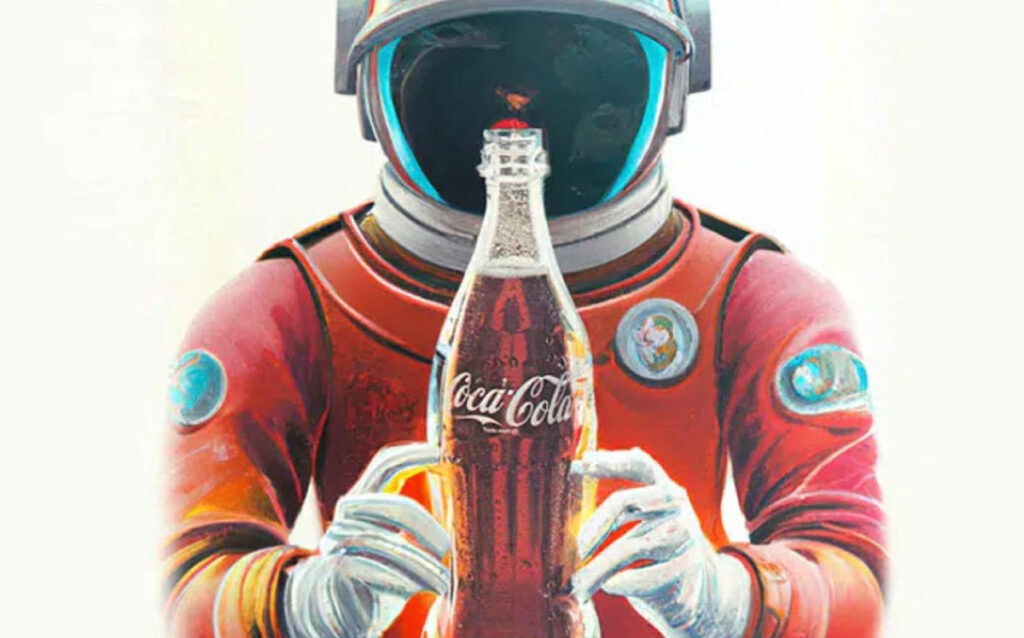
Ross Simmons, CEO of Foundation, told Marketing Millennials: “In 2023, I believe we’ll see major campaigns driven by AI-generated creativity and content.” You’re probably already noticing this trend, with AI-generated visuals (like those created with DALL·E 2) flooding social media in recent months.
Unsurprisingly, the Business Research Company predicts that the global AI in marketing market will grow from $17.46 billion in 2022 to $48.91 billion by 2026.
May Habib, co-founder and CEO of the AI writing platform Writer, explains that intelligent tools can dramatically streamline the content creation process — whether you’re writing a blog article or just a few paragraphs for an “About Us” page.
“AI-generated drafts doubled search volume for Emotive in just one month,” she shares about one of the platform’s clients. “It would have taken six months of outsourcing to an agency to achieve the same search impact that a single writer created using our product.”
03. Livestreaming
After serving as a remedy for isolation during the pandemic, livestreaming has become a staple in marketing. While video games helped popularize the concept, it now spans a wide range of content — from eSports competitions and concerts to interviews and tutorials.
Marketers have taken note of this trend and are expected to invest heavily in livestreaming in 2024, particularly on platforms like Twitter Spaces and Instagram Live Rooms.

Melinda Lee, Chief Content Officer at the live-commerce platform Stage TEN, believes that the communal nature of livestreams is what makes them so popular.
“You see the community watching and interacting not only with the broadcaster, but also with each other,” she explains. Because of that enthusiastic participation, your streams can effectively become improvised focus groups. “At all times, you’re gathering data about what people want to know about the product, the questions they ask, and what would attract them to a livestream,” says Lee. She recommends actively incorporating prompts for feedback directly into your broadcasts.
Livestreaming also has a low barrier to entry — you need minimal equipment and don’t have to be a tech expert to use it. Additionally, recordings can be repurposed into multiple types of content. Livestreams can drive traffic to your website and help you build a stronger connection with your target audience.
04. Long-Term Influencer Partnerships
Influencers excel at building parasocial relationships, where their audience feels connected to their lives. Marketers looking to leverage that connection have started tapping into the true potential of this type of marketing — weaving brands into the fabric of those relationships.
Instead of paying a large number of emerging influencers for one-off posts, brands are now investing in long-term partnerships with a smaller group of content creators. They prioritize quality over quantity when deciding who to collaborate with.
Think of it as mass marketing done right. “I’m seeing much more effort being put in — not just looking at how big a creator’s audience is, but whether they truly align with the brand,” says Lee.
05. Promoting Users, Not Just Products
Marketers are increasingly focused on facilitating interactions between customers and amplifying community-generated content. This can include running forums, promoting user-generated content on social media, publishing testimonials on websites, or launching referral reward programs.
Some companies even go as far as acquiring community-driven businesses. For example, Pendo, a product management company, acquired Mind the Product — a community of over 300,000 product managers, designers, and developers — earlier this year.
A community-led marketing strategy is most effective when the community is embedded directly into the business. For instance, Figma offers a wide range of templates, many of which are created by its users. This feature reinforces the brand’s identity as a facilitator of collaboration. Figma also sponsors and supports local groups through an initiative called Friends of Figma. By cultivating its community, Figma strengthens brand loyalty and enables powerful word-of-mouth marketing.
06. Media Marketing
As you’ve likely noticed from the previous trends, media is no longer just a component of modern marketing — it is foundational. Whether it’s a marketing blog or a YouTube channel, media has become essential to your strategy.
“Companies understand that their customers have different needs, challenges, and concerns — and most of the time, these don’t revolve around the company or the product itself,” says Rodberg. “It’s about how the company can help solve those needs or provide value beyond just the product.”
Consider Red Bull — a marketing empire that happens to sell energy drinks. Beyond owning sports teams, running athletic sponsorships, and even operating a travel business, Red Bull has built a media ecosystem that includes magazines, content websites, a record label, TV shows, and films. These channels are profitable on their own, but more importantly, they’ve turned Red Bull into a globally recognized brand worth over $7 billion.
While Red Bull is an extreme example, most companies today invest in some form of media marketing. Banks acquire food publications, game developers build massive TikTok audiences, and apps fund artists — all because they understand a core principle: to gain customers, you need an audience.
“People are looking for entertainment, education, or connection,” says Rodberg. “If you don’t create these and only produce ads, people simply won’t respond.”
07. Trendjacking
If you’ve seen TikToks related to Minions or Netflix making timely jokes on Twitter, you already understand how powerful trendjacking can be. Trendjacking is a marketing strategy where a brand leverages trending topics, events, or viral memes to connect with its audience. By tapping into conversations that already capture online attention, brands can position themselves at the forefront, gaining visibility and relevance.
One of the major advantages of this approach is its ability to generate buzz and virality. By incorporating trending themes or memes into social media content, brands can attract significantly more attention, leading to increased engagement, shares, and reach beyond their existing audience.
Additionally, trendjacking allows brands to showcase personality and creativity. Injecting humor, wit, or a unique perspective into trending conversations can create a memorable impression. This not only builds familiarity but also fosters a more authentic connection with consumers.
However, this strategy must be approached carefully. It is essential to ensure that the chosen trend aligns with the brand’s values, audience, and overall marketing strategy. Authenticity is critical to avoid backlash or appearing opportunistic. Brands should aim to add value to the conversation, not just participate for the sake of visibility.
How to Stay Up to Date with Digital Marketing Trends
In the fast-moving world of digital marketing, staying current with the latest trends is critical for success. Here are several effective strategies to keep yourself informed:
- Industry publications and resources:
Subscribe to newsletters, blogs, and websites that provide insights and updates on marketing developments. - Attend industry events:
Participating in conferences and events gives you opportunities to network with experts, learn about emerging trends, and discover new tools and technologies. - Engage with experts:
Follow and connect with thought leaders, influencers, and digital marketing professionals. Interact with their content, join discussions, and seek their perspectives to stay informed. - Analyze reports and data:
Study research papers, industry reports, and data analyses to gain insights into consumer behavior, emerging technologies, and evolving trends. - Experiment with new tools:
Stay curious and test new platforms, tools, and technologies. Hands-on experience helps you better understand their potential impact. - Commit to continuous learning:
Digital marketing is constantly evolving, so ongoing learning is essential. Take online courses, explore new resources, and actively develop your skills to stay competitive.